
Travel Experience Vs Cost Control In Modern Business Travel
Balancing the business travel experience with cost control has become a critical challenge for modern businesses. Overspending can erode budgets, while poor travel experiences can affect productivity, employee retention, and overall business performance.
In business travel, cost control is not simply about selecting the cheapest flight or hotel. Low upfront prices can lead to additional costs, including traveler fatigue, disrupted schedules, missed meetings, and time-consuming manual interventions.
This article explores how businesses can achieve the right balance by designing smarter travel policies, leveraging centralized travel platforms, and creating a travel program that aligns traveler needs with organizational goals.
Why Has Travel Experience Become A Business Priority?
In today’s fast-paced corporate environment, a good travel experience is no longer just a perk, it can influence business performance. Comfort, convenience, and support can affect productivity, engagement, and compliance.
Business Traveler Expectations Are Changing
Modern business travelers increasingly expect:
- Flexible booking options: the ability to change flights or hotels without unnecessary penalties
- Convenient itineraries: efficient connections and fewer or shorter layovers
- Comfortable accommodations: hotels that support work and rest
- Seamless digital experiences: intuitive booking tools and mobile access
- Responsive support during disruptions: reliable assistance when plans change
- Ignoring these expectations can increase stress, reduce efficiency, and encourage off-platform bookings.
Poor Travel Experiences Directly Impact Productivity
When travel experiences are subpar, the effects can extend beyond inconvenience:
Traveler Fatigue
Long or uncomfortable journeys can reduce focus, energy and overall productivity during business trips. Business travelers may arrive at meetings tired, which can affect decision-making and work quality.
Retention and Talent Attraction
Frequent business travelers may place greater value on employers that support their needs effectively. Repeatedly poor travel experiences can reduce traveler satisfaction and potentially contribute to employee retention challenges.
Overall Trip Efficiency
Delays, repeated itinerary changes and inadequate accommodations disrupt schedules. Inefficient travel not only affects individual trips but can also create wider impacts on team projects and business outcomes.
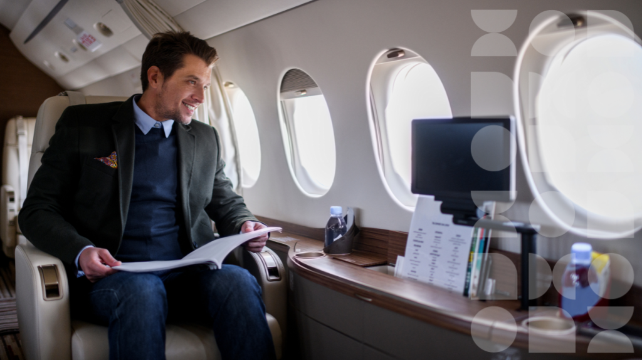
Support Matters When Business Trips Become Complex
A smooth booking platform is essential, but human support remains important when self-service is not enough. Multi-city itineraries, urgent changes, cross-border travel requirements and unexpected disruptions may require quick and reliable assistance.
Effective support helps protect travelers’ well-being and maintain business continuity. Business travelers who feel supported may also be more likely to comply with policies and make productive use of their travel time.
Travel Experience Influences Policy Compliance
Overly restrictive policies can create unintended consequences. When travelers cannot find suitable options within policy, they may:
- Book off-platform, leading to leakage
- Spend outside approved budgets
- Reduce visibility for finance and travel teams
- By considering the traveler experience in policy design, organizations can support stronger compliance while maintaining cost control.
How Modern Businesses Can Balance Travel Experience and Cost Control
Balancing experience with cost control requires a strategic combination of policies, technology, and data-driven insights.
Build Traveler-Centric Travel Policies
Effective policies provide clarity and reasonable flexibility. Key considerations include:
- Budget parameters: different spending limits based on destination, trip purpose or other relevant factors
- Traveler flexibility: allowing choices within approved ranges
- Approval workflows: streamlining exceptions without slowing down the booking process
- Comfort standards: defining acceptable hotel categories and cabin classes based on trip needs
Use Dynamic Travel Budgets Instead of Rigid Restrictions
Rigid spending caps can force business travelers into impractical choices, creating frustration and potentially encouraging off-policy bookings. More flexible travel programs may use dynamic budgets that reflect the circumstances of each trip. By adjusting spending limits based on itinerary, market pricing and demand, companies can provide flexibility without losing control.
Some programs may also use incentives or guidance to encourage compliant decisions, allowing travelers to select suitable options that meet both comfort and cost requirements. This approach can better align traveler needs with organizational goals while reducing unnecessary trade-offs.
Improve Booking Convenience Through Centralized Platforms
Centralized travel management platforms streamline the booking process, making it easier for employees to find options that satisfy both comfort and cost criteria. These platforms can provide broader visibility into available inventory across airlines, hotels and car rentals, simplify approval workflows and consolidate reporting so travel managers and finance teams can monitor spend and compliance more effectively.
By reducing friction and bringing bookings and travel data together, centralized platforms can increase adoption of managed travel channels, minimize off-policy spending and support a balanced approach to cost control and traveler experience.
Offer Better Content to Reduce Trade-Offs
Cost control does not always require limiting choices. Providing broader and deeper content enables travelers to find options that satisfy both comfort and budget requirements.
A platform with access to a wide range of airline fares, hotel options and negotiated rates can help employees make policy-compliant decisions without unnecessary trade-offs between price and quality.
AI and Automation Can Support Travel Policy Application
Automation can apply policies while keeping booking experiences smooth. Examples include:
- Automatic policy checks during search and booking
- Automated or streamlined approvals for exceptions or upgraded options
- Budget alerts for travelers nearing trip limits
- Timely spend monitoring for managers
- By combining technology with policy, organizations can reduce manual oversight while maintaining compliance and cost control.
Give Travel and Finance Teams Real-Time Visibility
Visibility is critical for informed decision-making. Platforms that provide up-to-date data on booking patterns, spend trends, policy exceptions and supplier performance enable managers to:
- Identify compliance risks early
- Adjust policies when booking patterns or market conditions change
- Improve budget adherence without sacrificing traveler satisfaction
The Best Business Travel Programs Balance Experience and Cost
Modern businesses can no longer focus solely on reducing travel expenses or improving traveler comfort. The most effective business travel programs combine flexible policies that accommodate traveler needs, centralized travel management to improve efficiency and visibility and technology-driven insights to enable informed cost control.
By achieving this balance, companies can improve traveler satisfaction, strengthen policy compliance, support productivity and improve overall travel efficiency. Organizations that master this approach are better positioned to support both business travelers’ well-being and long-term financial goals, creating a sustainable and high-performing travel program.
FAQ
How Can Companies Improve Travel Experience Without Increasing Costs?
Businesses can improve the travel experience by simplifying booking processes, offering reasonable flexibility and using negotiated supplier rates or broader content to identify better-value options, rather than simply increasing travel budgets.
What Is the Biggest Challenge in Balancing Travel Experience and Cost Control?
A key challenge is providing travelers with suitable options while maintaining visibility, compliance and predictable travel spending.
Why Is Traveler Satisfaction Important in Business Travel?
Positive travel experiences can support traveler productivity, policy compliance and overall trip effectiveness, especially for frequent business travelers.